The Human Behind the Screen: Live DMs Keep NWN's Living Worlds Honest
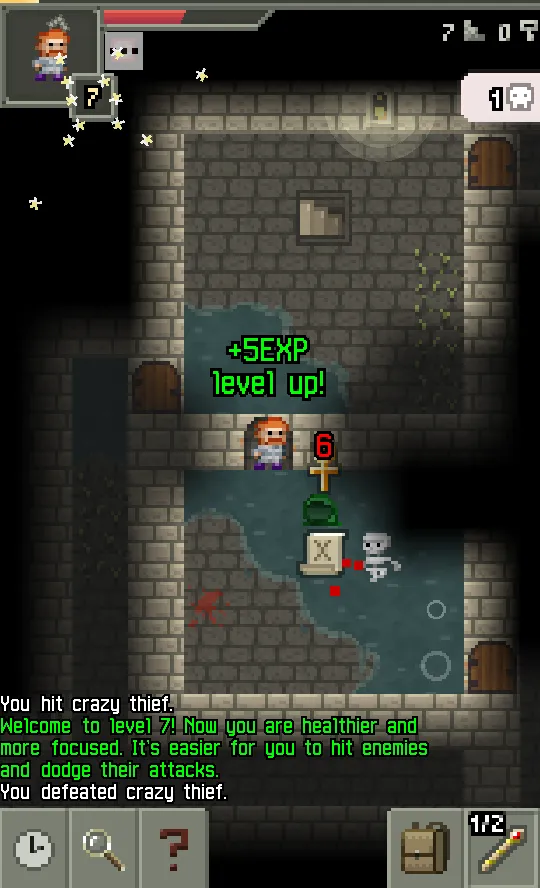
Photo: Watabou, GPLv3, via Wikimedia Commons
The gig nobody sees
On a good night, the live DM is invisible. The tavern door opens, a stranger with a grudge walks in, and the players forget that someone is typing commands in a DM client on the other side of the screen. On a bad night, the DM is very visible: a possessed creature stuck in a wall, a plot hook missed by three feet, or a player who decides the real enemy is the event schedule.
In NWN persistent worlds, live DMs are the human layer on top of the machine. They run scheduled events, improvise consequences, and try to make a decades-old engine feel like a tabletop session. It is part performance, part tech support, and part community therapy. In 2026, with persistent worlds still running strong and new players arriving every month, that labor deserves a closer look.
Prep is a spreadsheet and a prayer
A live DM's prep usually starts with a faction sheet, a list of player characters who might show up, and a rough idea of what should happen. The good ones also prepare for what should not happen. They know which NPCs can be killed without breaking the plot. They know which player has been waiting three weeks for a personal story beat. They know the server's economy well enough to avoid handing out a sword that makes every other weapon pointless.
The engine shapes everything. You can possess an NPC, drop a placeable, fire an emote, or spawn a encounter with a few clicks. You cannot read the room the way a tabletop DM can. You cannot see the player who is quietly checking out because their build has nothing to do in this scene. So live DMs learn to ask questions in tells, watch party composition, and build events with multiple entry points. A combat event needs a job for the rogue. A social event needs a reason for the fighter to care.
When players break the script
The script always breaks. Someone attacks the questgiver. Someone brings a friend who was not signed up. Someone uses a spell that was clearly not considered in the design doc. A live DM's real skill is not preventing chaos. It is making chaos look intentional.
The best moments often come from a DM saying yes to something the module was never built for. A player wants to bribe a guard? Fine, but now the guard wants a favor. A party wants to skip the dungeon and negotiate? Fine, but the dungeon's occupant is now a recurring problem. This is where NWN's live DMing starts to feel tabletop-authentic: not because the engine is flexible, but because the person behind it is willing to improvise inside the limits.
Server politics is part of the job
A persistent world is a small society, and live DMs are often standing in the middle of it. Players have rivalries. Factions have history. Someone is annoyed that another group got a magic item. Someone else is convinced the DM favors a particular guild. None of this is unique to NWN, but the intimacy of a persistent world makes it sharper.
Good DMs manage expectations before the event, not after. They post clear sign-up notes. They explain what kind of event it is. They avoid rewarding the loudest player every single time. They also protect their own boundaries, because unpaid storytelling labor can turn into a second job if nobody says no.
The tabletop illusion
The strange magic of a live DM in NWN is that the game is always a little bit broken, and the DM makes that brokenness feel like possibility. A stuck door becomes a secret passage. A weird pathing bug becomes a panicked monster. A player's ridiculous plan becomes the best story of the night.
That is not something a patch can deliver. It is human attention, applied in real time, inside a game that is old enough to vote. In 2026, NWN's persistent worlds are still memorable because people keep showing up to run them. The engine gives you the dungeon. The live DM gives you the night you remember.