Voices in the Vault: How NWN Modders Are Crafting Cinematic Experiences Inside a 23-Year-Old Engine
There's a moment in a recent community-built NWN module where a fully voiced narrator describes the smell of rain on cobblestones as your character steps into a fog-covered port city. The ambient audio shifts. A custom music cue swells. An in-engine cutscene — built entirely within the Aurora Toolset's camera system — holds on a silhouetted figure at the end of a dock.
It's not Baldur's Gate 3. But it's also not what most people picture when they think about a fan-made Neverwinter Nights module. And the gap between those two mental images is exactly what a growing group of NWN creators is working to close.
The Production Value Ceiling — And How Modders Are Breaking Through It
Let's be honest about the constraints upfront. The Aurora Toolset is old. Its camera system was designed for a pre-YouTube, pre-streaming world. Its audio engine doesn't natively support the kind of dynamic mixing that modern games take for granted. Working within it to achieve anything resembling cinematic presentation requires a specific kind of creative problem-solving that's part engineering, part theater, and part stubbornness.
So how are modders actually doing it?
The short answer involves a lot of scripting. NWN's NWScript language, while limited compared to modern game scripting environments, is surprisingly expressive when you really push it. Experienced creators have developed custom cutscene management systems that choreograph NPC movements, camera transitions, and audio triggers in sequence — essentially building a rudimentary film editor inside the game engine. Some of these systems have been shared publicly on the Neverwinter Vault, meaning newer creators can inherit years of accumulated technique without starting from zero.
Voice Acting: From Optional Polish to Creative Priority
For a long time, voiced narration in NWN modules was a rare treat — something a handful of ambitious projects attempted, usually with mixed results. The audio quality varied wildly, the delivery could be rough, and integrating custom voice files into the engine required navigating some genuinely fiddly file management.
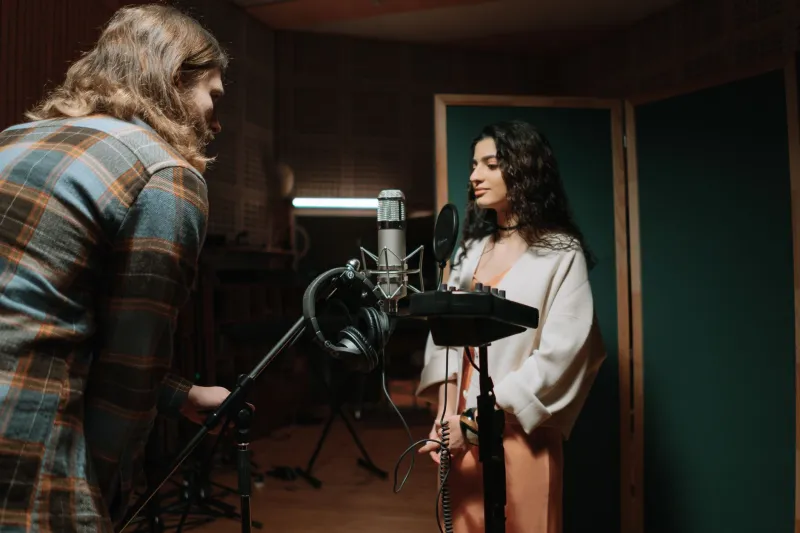
That's changed. A combination of factors has made voice acting far more accessible to module creators. Remote recording tools like Audacity (still the go-to for most indie creators) have gotten easier to use. Online communities specifically for volunteer voice actors — including Discord servers dedicated to indie game narration — have given modders access to a talent pool that simply didn't exist in 2002. And AI-assisted audio cleanup tools have made it possible to get broadcast-quality results from a decent USB microphone in a closet.
Several recent high-profile NWN modules have featured full voice narration for key scenes, with some going further and casting multiple voice actors for major NPCs. The effect on player immersion is hard to overstate. When a character you've been reading dialogue boxes for suddenly speaks — with actual emotion, actual timing — it recontextualizes everything around it.
Custom Music and the Licensing Tightrope
Audio is where things get legally interesting. Using commercially released music in a fan project, even a free one, is a gray area that module creators navigate with varying degrees of caution. The safest approach — and the one most serious creators now default to — is working with original compositions or music released under Creative Commons licenses.
The good news is that the pool of high-quality, freely licensable RPG and fantasy music has expanded enormously over the past decade. Platforms like itch.io and Bandcamp host hundreds of composers releasing tabletop and game-adjacent music specifically for use in projects like this. Some modders have gone further, commissioning original scores from independent composers — a step that would have seemed almost absurdly ambitious for a fan project even ten years ago.
The integration side is where NWN-specific expertise comes in. The engine's music system uses a playlist-based approach that requires custom 2DA file edits and careful attention to loop points. Getting a custom music track to transition smoothly during a tense encounter or a quiet narrative moment takes real testing and iteration. Modders who've cracked it tend to share their methods openly, and that accumulated community knowledge is a big part of why the overall quality ceiling keeps rising.
The Scripting Magic Behind the Curtain
Beyond audio, the most technically impressive modern NWN modules are doing things with scripting that genuinely push against what the engine was designed to handle. Dynamic weather systems that affect NPC behavior. Reputation mechanics that track player choices across multiple sessions and adjust the world accordingly. Inventory and crafting systems that rival dedicated survival games in complexity.
One standout example is the use of custom HUD elements — built using NWN:EE's expanded GUI scripting support — to display information in ways that feel modern and intentional rather than retrofitted. Health bars with custom styling, quest trackers, even dialogue portrait systems that display custom artwork rather than the default in-engine renders. These aren't features the Aurora Toolset was built to support. They're features that modders reverse-engineered their way into existence.
The creative problem-solving required for this kind of work is genuinely impressive. It's the kind of thing that, as we've noted before on this site, has launched more than a few careers in professional game development — because the skills transfer directly.
What These Projects Mean for the Community
There's something almost defiant about a modder spending months recording voice lines, commissioning music, and hand-scripting cinematic sequences for a game engine that most of the industry wrote off twenty years ago. But that defiance is also kind of the point.
The NWN modding community has always operated on the principle that the story and the craft matter more than the platform. What's different now is that the tools — both inside and outside the engine — have caught up to the ambition. The gap between what a dedicated creator can produce in NWN and what a small indie studio can ship commercially has narrowed in ways that would genuinely surprise anyone who hasn't been paying attention.
If you want to see what this looks like in practice, the Neverwinter Vault is the place to start. Look for modules with detailed creator notes — the ones where the author goes out of their way to explain their process are usually the ones worth your time. The craft is right there on the surface, and it's worth appreciating.
The engine is old. The ambition, clearly, is not.